Concrete Slab & Foundation Work
Build a solid foundation for your shed, garage, addition, or new construction project with professional concrete work.
Why Foundation Work Matters
Every building needs a solid foundation. Whether you are putting up a new garage, adding onto your house, or building a storage shed, the foundation is what keeps everything level and stable. A poorly built foundation leads to cracked walls, uneven floors, and structural problems that are expensive to fix. Getting it right the first time saves you money and headaches down the road.
Concrete slabs are one of the most common foundation types in residential and light commercial construction. They provide a flat, stable base that can support heavy loads. In Holyoke, where soil conditions vary and winters are harsh, proper foundation work requires knowledge of local building codes and best practices. Holyoke Concrete has been building foundations in the area for years, and we understand what it takes to create a base that will last.
We handle all types of concrete slab work. Shed pads, garage floors, basement slabs, and foundation slabs for new construction are all part of what we do. Each project is different, but the goal is always the same: a level, strong foundation that meets code requirements and performs well for decades.
Types of Concrete Slabs We Install
Not all concrete slabs are built the same way. The type of slab you need depends on what you are building and how the structure will be used.
Slab-on-Grade Foundations
This is the most common type of foundation for garages, sheds, and single-story buildings. The concrete is poured directly on the ground after the site is prepared and graded. A slab-on-grade foundation includes a thickened edge or footing around the perimeter to support the walls. This type of foundation works well in areas where the ground does not freeze deeply or where proper drainage can be maintained.
Monolithic Slabs
A monolithic slab is poured in one continuous pour. The footing and the slab are part of the same piece of concrete. This speeds up construction and reduces the risk of cracks where separate pieces would meet. Monolithic slabs are popular for residential garages and storage buildings because they are cost-effective and quick to install.
Basement and Crawl Space Slabs
If your home has a basement or crawl space, you might need a concrete slab for the floor. These slabs are poured inside an existing foundation and provide a clean, dry surface. We make sure the slab is properly reinforced and that moisture barriers are in place to prevent water intrusion. A well-built basement slab can be finished and used as living space.
Equipment and Storage Pads
Need a place to park a trailer, RV, or heavy equipment? We build reinforced concrete pads designed to handle the weight. These pads are thicker than standard slabs and include extra rebar or wire mesh for added strength. Proper drainage is critical to prevent water from pooling around expensive equipment. An experienced concrete pad contractor will size and reinforce the pad based on the actual load it needs to support.
The Foundation Installation Process
Building a solid foundation takes planning, preparation, and precision. Here is how we approach each project.
- Site Assessment: We start by evaluating the site. Soil type, drainage, and slope all affect how we build the foundation. We test the soil to make sure it can support the load. If the soil is weak or unstable, we recommend compaction or additional base material.
- Excavation and Grading: We excavate the area to the proper depth and grade it so water flows away from the foundation. Poor grading is one of the main causes of foundation problems. We use laser levels and other tools to ensure everything is exact.
- Base Preparation: A compacted gravel base goes down next. This layer provides stability and helps with drainage. We compact the gravel in lifts to eliminate soft spots. The base thickness depends on the project and soil conditions.
- Reinforcement: Most slabs include rebar or wire mesh for added strength. Reinforcement helps prevent cracking and allows the slab to handle stress without breaking. We follow local building codes and engineering specs for all reinforcement.
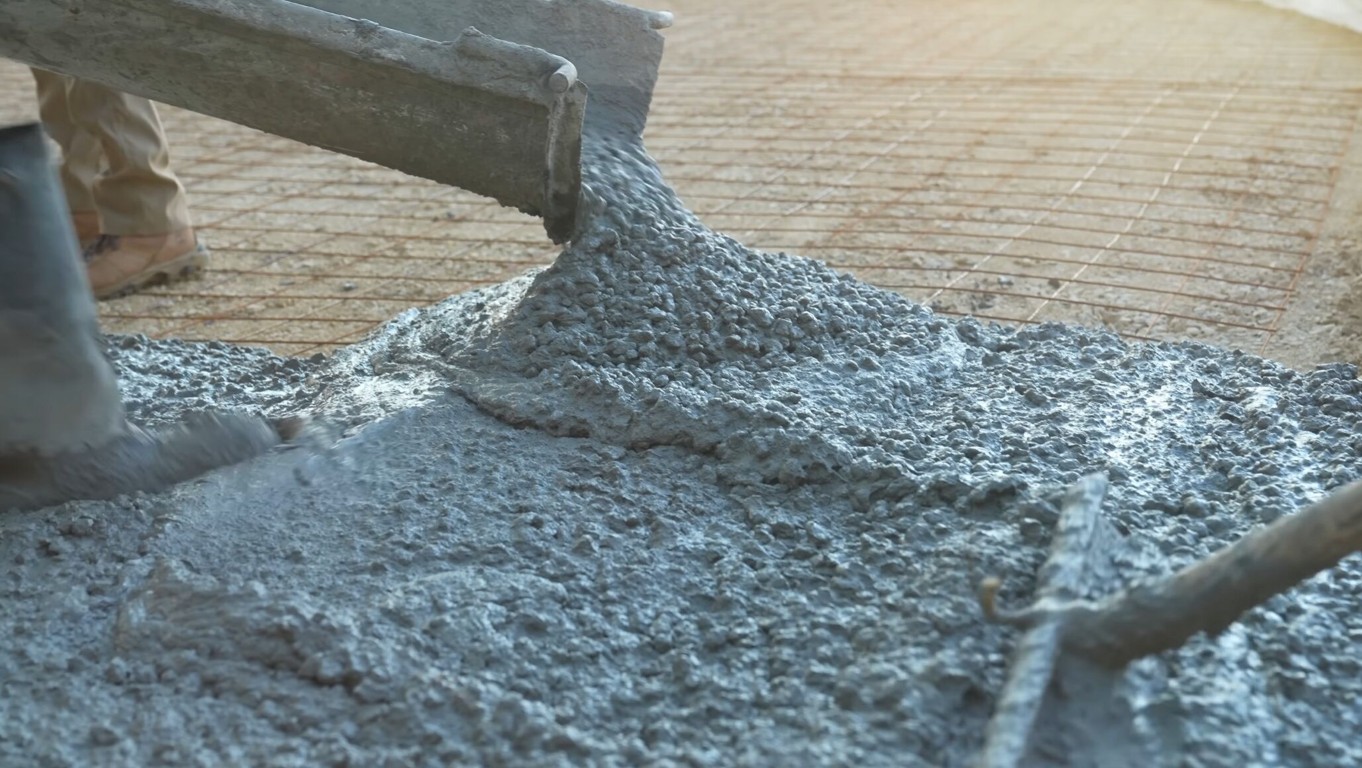
- Pouring and Finishing: Once everything is in place, we pour the concrete. We use a mix designed for foundations with the right strength rating. After pouring, we level and finish the surface. The finish depends on how the slab will be used. Garage floors and driveways get a broom finish for traction, while basement slabs might be smooth-troweled.
- Curing and Protection: Concrete takes time to reach full strength. We protect the slab during curing to prevent cracking and surface damage. This might mean covering it with plastic or applying a curing compound. You cannot build on the slab until it has cured properly.
Each step matters. Cutting corners during any phase can compromise the entire foundation. We take pride in doing the job right the first time.
Foundation and Slab Questions
How thick should a concrete slab be for a garage?
Do I need a permit for a concrete slab?
What causes concrete slabs to crack?
Need a Foundation or Concrete Slab?
Get a free estimate for your foundation or slab project. We serve residential and commercial clients throughout Holyoke.