Concrete Pool Decks
Create a beautiful, slip-resistant pool deck that stays cool underfoot and stands up to years of poolside activity.
Why Concrete Works for Pool Decks
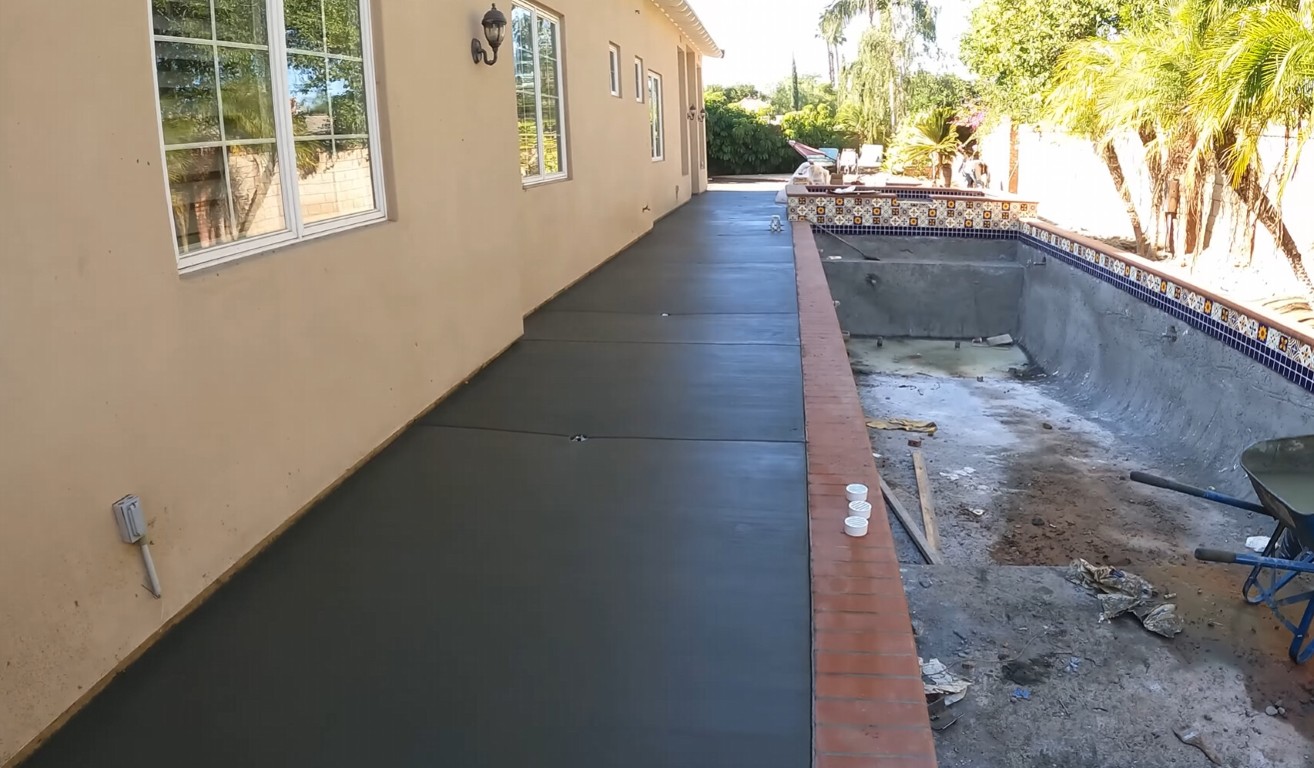
Your pool deck needs to handle bare feet, wet conditions, pool chemicals, and constant sun exposure. Concrete meets all these challenges when properly installed and finished. It provides a stable, level surface that does not shift like pavers or rot like wood. With the right texture and finish, concrete stays comfortable to walk on even in direct sunlight.
Safety is critical around pools. Concrete can be finished with textures that provide excellent traction when wet. This reduces the risk of slips and falls. The surface can also be sloped properly to drain water away from the pool and prevent standing water. Holyoke Concrete specializes in pool deck installations that prioritize both safety and appearance.
Concrete pool decks also offer design flexibility. You can choose colors, patterns, and textures that complement your pool and landscape. Whether you want a simple brushed finish or an elaborate stamped pattern, concrete can deliver the look you are after.
Building a Pool Deck Right
A pool deck installation involves more than just pouring concrete around the pool. Several factors determine how well the deck performs.
Proper Drainage
Water needs to drain away from the pool and away from your house. We slope the deck slightly so water flows to designated drainage areas. This prevents pooling and reduces the risk of water getting into your pool or seeping toward your foundation. Good drainage also means the deck dries faster after rain or splashing.
Expansion Joints
Concrete expands and contracts with temperature changes. Around a pool, where the surface gets very hot in summer, expansion joints are essential. These joints allow the concrete to move without cracking. We place joints strategically and fill them with flexible material that accommodates movement while keeping the deck watertight.
Slip-Resistant Finish
The finish must provide traction when wet. We use brushed, textured, or exposed aggregate finishes that are slip-resistant without being uncomfortable to walk on. The right balance between grip and comfort is important. Too smooth and the deck becomes slippery. Too rough and bare feet are not happy.
Similar slip-resistance considerations apply to outdoor patios where people gather and eat.
Pool Deck Design Options
Concrete pool decks can be as simple or elaborate as you want. Here are popular options to consider.
- Textured Broom Finish: A simple, cost-effective option that provides good traction. This standard finish works well and requires minimal maintenance.
- Colored Concrete: Add color to match your pool tile or landscape. Light colors reflect heat and stay cooler underfoot. Earth tones blend naturally with outdoor settings.
- Stamped Patterns: Stamped concrete can mimic stone, slate, or tile. This creates a high-end look without the maintenance of natural materials.
- Exposed Aggregate: This finish reveals the stones in the concrete, creating texture and visual interest. It is naturally slip-resistant and hides stains well.
- Integrated Features: Build in benches, planters, or spa pads as part of the deck. These custom elements add functionality and make your pool area more enjoyable.
We help you select finishes and features that fit your budget and usage patterns. A well-designed pool deck enhances your outdoor living space and makes pool ownership more enjoyable.
Pool Deck Questions
How do you keep a concrete pool deck cool?
Will pool chemicals damage the concrete?
How wide should a pool deck be?
Ready for a New Pool Deck?
Get a free estimate for your concrete pool deck project in Holyoke and the surrounding area.